
Introduction
In today’s fast-paced digital world, businesses must adapt to changing consumer behaviors and technological advancements. Traditional marketing methods such as newspapers, radio, and television are no longer sufficient to reach modern audiences effectively. This is where digital marketing comes into play. Digital marketing has transformed the way businesses connect with customers, promote products, and build brand awareness. Before exploring its benefits and components, it is important to understand what is digital marketing and why it plays a crucial role in modern business success.
Whether you are a small business owner, entrepreneur, student, or marketing professional, understanding digital marketing is essential in today’s competitive marketplace. This article explores what digital marketing is, its importance, key components, benefits, and future trends.
What is Digital Marketing?
What is digital marketing? Digital marketing refers to the promotion of products, services, or brands through digital channels and technologies. These channels include search engines, websites, social media platforms, email, mobile applications, and other internet-based platforms.
Unlike traditional marketing, digital marketing allows businesses to reach a global audience, interact with customers in real time, and measure campaign performance accurately. It uses data-driven strategies to target specific audiences and deliver personalized marketing messages.
Simply put, digital marketing is the process of connecting with potential customers online where they spend most of their time.
Why is Digital Marketing Important?
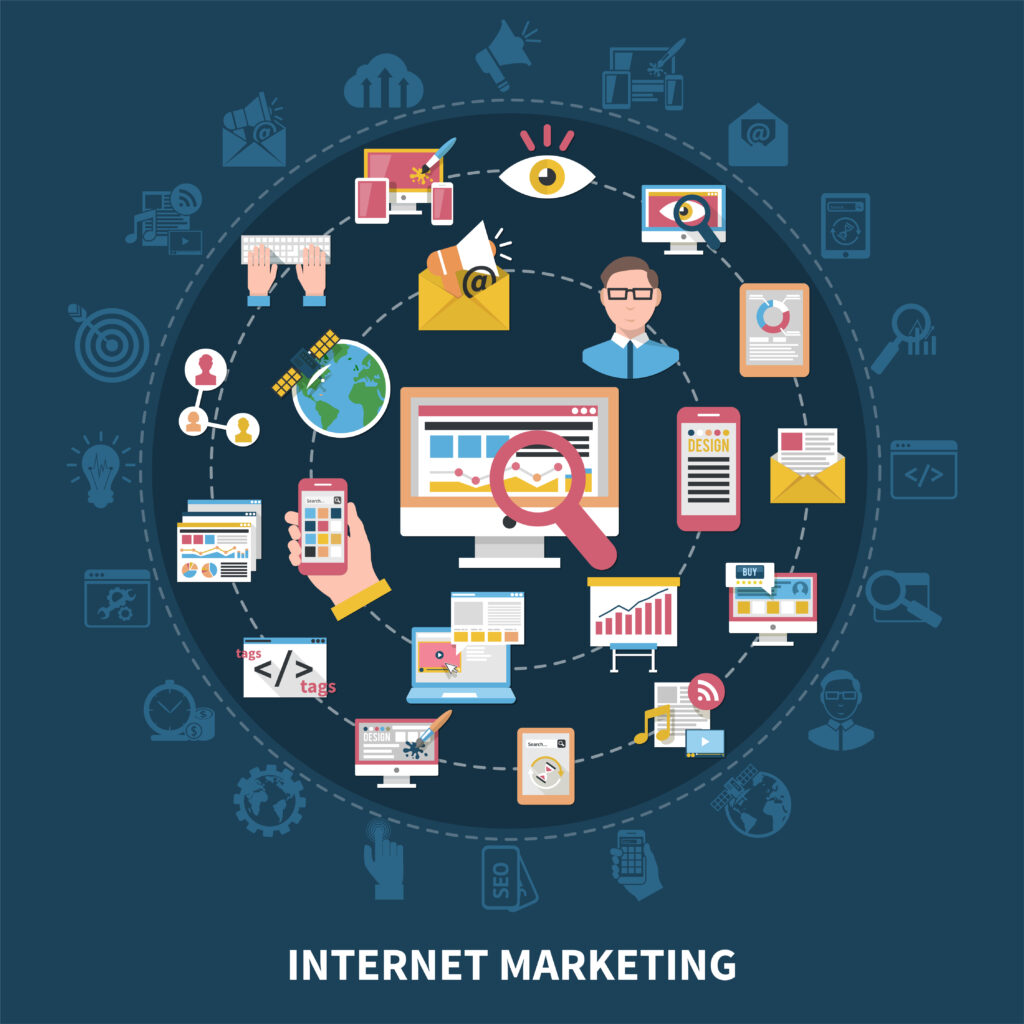
To fully understand what is digital marketing, it is equally important to recognize why businesses rely on it to reach and engage customers online. The internet has become an integral part of daily life. People use search engines to find information, social media to connect with others, and online platforms to shop for products and services. As a result, businesses need a strong online presence to remain competitive.
Digital marketing is important because it:
- Increases brand awareness
- Helps businesses reach a larger audience
- Generates qualified leads
- Improves customer engagement
- Provides measurable results
- Offers cost-effective marketing solutions
- Supports business growth and profitability
Companies of all sizes can benefit from digital marketing strategies to attract, engage, and convert potential customers. Understanding these components helps answer the question, what is digital marketing, and how it works in practice.
Key Components of Digital Marketing

1. Search Engine Optimization (SEO)
Search Engine Optimization, commonly known as SEO, is one of the most important components of what is digital marketing because it helps businesses improve online visibility.
SEO involves optimizing website content, keywords, technical structure, and backlinks to achieve higher rankings in search engine results pages (SERPs).
Benefits of SEO include:
- Increased organic traffic
- Higher search engine rankings
- Improved user experience
- Greater brand credibility
SEO is a long-term strategy that helps businesses attract visitors without paying for advertisements.
2. Search Engine Marketing (SEM)
Search Engine Marketing involves paid advertising on search engines. Businesses bid on keywords to display their ads when users search for specific terms.
Popular SEM platforms include:
- Google Ads
- Microsoft Advertising
SEM helps businesses gain immediate visibility and drive targeted traffic to their websites.
3. Social Media Marketing (SMM)

Social Media Marketing uses platforms such as Facebook, Instagram, LinkedIn, X (formerly Twitter), YouTube, and TikTok to promote products and services.
Businesses use social media to:
- Build brand awareness
- Engage with audiences
- Share valuable content
- Generate leads
- Increase sales
Social media marketing enables direct communication between businesses and customers, creating stronger relationships and trust. Social media marketing is another key aspect of what is digital marketing that helps businesses connect directly with their audience.
4. Content Marketing
Content marketing focuses on creating and distributing valuable, relevant, and consistent content to attract and retain a target audience.
Examples of content marketing include:
- Blog posts
- Articles
- Videos
- Infographics
- E-books
- Podcasts
The goal is to educate, inform, and engage customers while establishing authority within a specific industry. Content marketing is an important part of what is digital marketing because it helps businesses educate and engage their target audience.
5. Email Marketing
Email marketing is one of the most effective digital marketing strategies. It involves sending targeted emails to subscribers and customers.
Common email marketing campaigns include:
- Newsletters
- Promotional offers
- Product updates
- Event invitations
- Customer retention campaigns
Email marketing helps businesses maintain customer relationships and drive repeat purchases. Understanding email marketing helps explain what is digital marketing and why it remains effective.
6. Affiliate Marketing
Affiliate marketing is a performance-based strategy where businesses reward affiliates for generating traffic or sales through their promotional efforts.
Affiliates use blogs, websites, social media, and email marketing to promote products and earn commissions for successful referrals.
7. Influencer Marketing
Influencer marketing involves collaborating with individuals who have a large and engaged following on social media platforms.
Influencers promote products and services to their audience, helping brands increase visibility, trust, and conversions.
This strategy is particularly effective among younger demographics who rely on recommendations from trusted content creators.
8. Mobile Marketing
With the increasing use of smartphones, mobile marketing has become a crucial aspect of digital marketing.
Mobile marketing includes:
- SMS campaigns
- Mobile apps
- Push notifications
- Mobile-friendly websites
- Location-based marketing
Businesses can reach customers anytime and anywhere through mobile devices.
Benefits of Digital Marketing
Digital marketing offers numerous advantages over traditional marketing methods. Once you understand what is digital marketing, its benefits become much easier to recognize.
Cost-Effective
Digital marketing campaigns often require lower investment compared to television, radio, or print advertising, making them accessible for small businesses.
Global Reach
Businesses can connect with audiences worldwide without geographical limitations.
Targeted Marketing
Digital platforms allow businesses to target specific demographics, interests, behaviors, and locations.
Measurable Results
Marketers can track performance metrics such as website traffic, click-through rates, conversions, and return on investment (ROI).
Better Customer Engagement
Digital marketing encourages direct interaction with customers through social media, emails, and online communities.
Improved Conversion Rates
By reaching the right audience with personalized messages, businesses can achieve higher conversion rates.
Challenges of Digital Marketing
To fully understand what is digital marketing, businesses should also be aware of the challenges involved. Although digital marketing provides many benefits, it also comes with challenges.
Some common challenges include:
- Increasing competition
- Frequent algorithm updates
- Data privacy regulations
- Content saturation
- Rapid technological changes
Businesses must continuously adapt their strategies to stay ahead in the digital landscape.
Future of Digital Marketing
The future of digital marketing is driven by emerging technologies and changing consumer expectations. The answer to what is digital marketing continues to evolve as new technologies and consumer behaviors shape the industry.
Key trends include:
Artificial Intelligence (AI)
AI-powered tools help businesses automate marketing tasks, analyze customer behavior, and deliver personalized experiences.
Voice Search Optimization
As voice assistants become more popular, businesses need to optimize content for voice search queries.
Video Marketing
Video content continues to dominate digital platforms due to its ability to engage and inform audiences effectively.
Personalization
Consumers expect personalized experiences based on their preferences and behavior.
Automation
Marketing automation tools streamline processes such as email campaigns, lead nurturing, and customer segmentation.
Data-Driven Marketing
Businesses increasingly rely on data analytics to make informed marketing decisions and improve performance.
if you want a Digital Marketing Services (Contact Me)
Conclusion
In conclusion, understanding what is digital marketing is essential for businesses seeking long-term growth and success. Digital marketing has become an essential component of modern business success. It enables organizations to reach targeted audiences, build strong customer relationships, and achieve measurable results through various online channels.
From SEO and social media marketing to content creation and email campaigns, digital marketing offers countless opportunities for growth and innovation. As technology continues to evolve, businesses that embrace digital marketing strategies will be better positioned to compete, adapt, and thrive in the digital age.
Whether you are starting a new business or looking to expand an existing one, investing in digital marketing is no longer optional—it is a necessity for long-term success. If someone asks what is digital marketing, the simplest answer is that it is the use of digital channels and technologies to connect with customers, promote brands, and drive business growth.