
What Is SEO?
In today’s digital world, having a website is not enough. Millions of websites compete for attention every day, making it difficult for businesses to stand out online. This is where Search Engine Optimization (SEO) becomes essential. SEO is one of the most powerful digital marketing strategies that helps websites rank higher in search engine results, attract organic traffic, and increase business growth.
Whether you own a small local business, an e-commerce store, or a large corporation, SEO can help you reach potential customers who are actively searching for your products or services. Unlike paid advertising, SEO focuses on earning visibility naturally, making it a cost-effective and long-term marketing solution.
This guide will explain what is SEO is, how it works, why it is important, and the key strategies businesses can use to improve their online presence.
What is SEO
Understanding SEO
SEO stands for Search Engine Optimization. It is the process of improving a website’s structure, content, and authority to increase its visibility on search engines such as Google, Bing, and Yahoo.
When users search for information online, search engines display a list of results they believe are the most relevant and useful. SEO helps websites appear higher in these results by optimizing various elements that search engines use to determine rankings.
The primary goal of SEO is to attract organic traffic. Organic traffic refers to visitors who find your website through unpaid search results rather than paid advertisements.
For example, if someone searches for “best digital marketing services,” websites that are well-optimized for SEO are more likely to appear on the first page of search results. Since most users rarely go beyond the first page, higher rankings can significantly increase website traffic and potential customers.
How Search Engines Work
To understand SEO, it is important to know how search engines operate.
To learn more about how Google Search works, visit (Google Search Central)
Search engines follow three main processes:
1. Crawling
Search engines use automated bots known as crawlers or spiders to discover new web pages. These bots scan websites and collect information about their content.
2. Indexing
After crawling a website, search engines store the collected information in their database, known as an index. Indexed pages become eligible to appear in search results.
3. Ranking
When a user performs a search, search engines analyze the indexed pages and rank them based on relevance, quality, user experience, and hundreds of other factors.
SEO helps improve a website’s performance in all these areas, increasing its chances of achieving higher rankings.
Why SEO Is Important
Understanding What is SEO is important because it helps businesses connect with potential customers at the exact moment they are searching for solutions.
Some of the major benefits of SEO include:
Increased Website Traffic
Higher rankings on search engines lead to more visibility and clicks. The more visible your website is, the more visitors it can attract.
Better User Experience
SEO encourages businesses to create user-friendly websites with fast loading speeds, mobile responsiveness, and high-quality content.
Higher Credibility and Trust
Users often trust websites that appear at the top of search results. Strong SEO can enhance your brand’s reputation and authority.
Cost-Effective Marketing
Unlike paid advertising, SEO continues to generate traffic even after optimization efforts are completed, making it a long-term investment.
Increased Conversions
SEO attracts users who are actively searching for products, services, or information, resulting in higher conversion rates.
Types of SEO
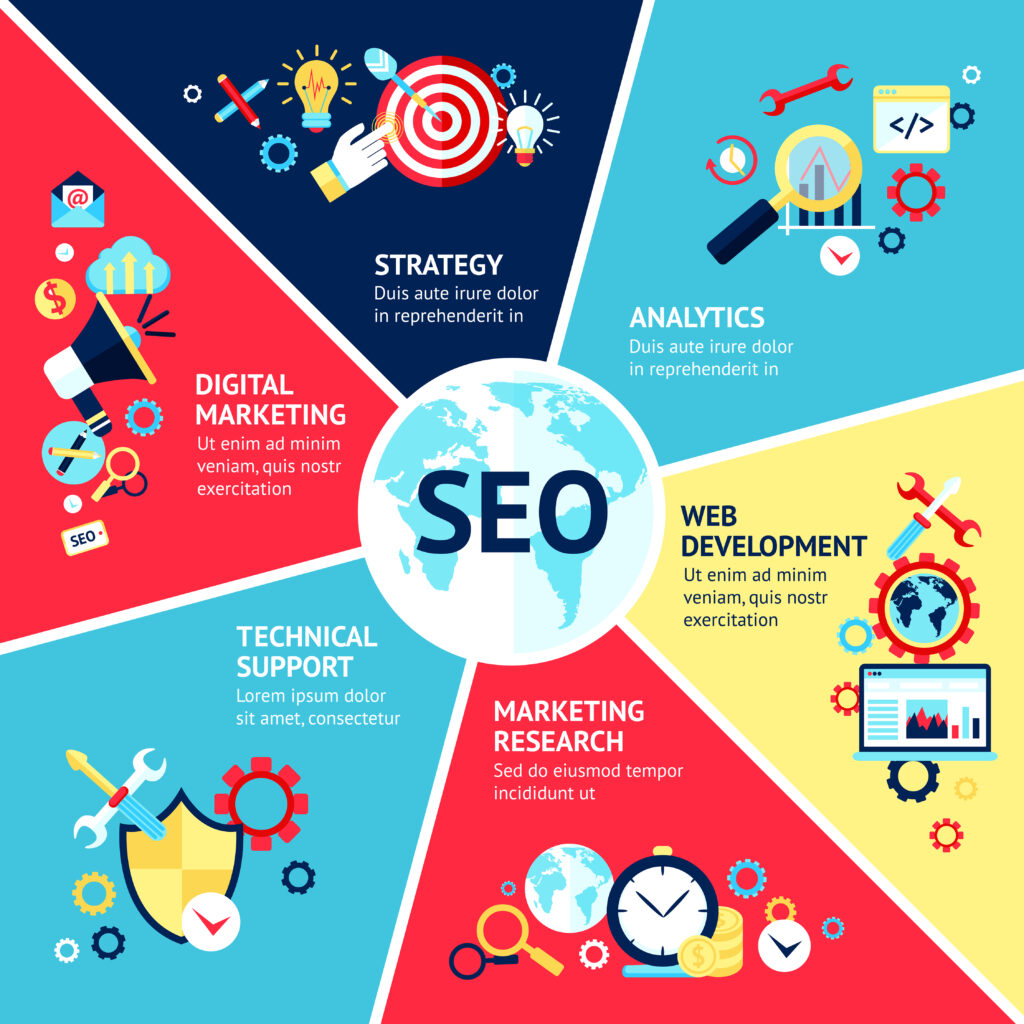
To fully understand what is SEO, it is important to explore the different types of SEO that contribute to website performance.
SEO consists of several different areas that work together to improve website performance. optimizations made directly on your website.
On-Page SEO
On-page SEO refers to optimizations made directly on your website.
Key elements include:
- Keyword optimization
- Title tags
- Meta descriptions
- Header tags
- Internal linking
- Content quality
- Image optimization
- URL structure
The goal of on-page SEO is to make content more understandable for both users and search engines. Understanding on-page optimization is an important part of what is SEO and how search engines evaluate website content.
Off-Page SEO
Off-page SEO focuses on activities performed outside the website to improve authority and trustworthiness.
Common off-page SEO strategies include:
- Link building
- Brand mentions
- Social media promotion
- Guest posting
- Influencer outreach
High-quality backlinks from reputable websites signal trust and authority to search engines. Off-page strategies help explain what is SEO because they improve a website’s authority and credibility.
Technical SEO
Technical SEO ensures that search engines can effectively crawl, index, and understand a website.
Important technical SEO factors include:
- Website speed
- Mobile responsiveness
- XML sitemaps
- HTTPS security
- Structured data
- Crawlability
- Indexability
A technically optimized website provides a better experience for both users and search engines. Technical optimization is a key component of what is SEO and contributes significantly to search rankings.
Local SEO
Local SEO helps businesses attract customers from specific geographic locations.
Examples include:
- Google Business Profile optimization
- Local keyword targeting
- Customer reviews
- Local citations
- Location-based content
Local SEO is particularly important for businesses such as restaurants, clinics, and service providers.
The Role of Keywords in SEO
To understand what is SEO, businesses must first understand the importance of keywords and search intent. Keywords are the words and phrases users type into search engines.
Keyword research helps businesses understand what their target audience is searching for and create content around those topics.
For example:
- Short-tail keyword: Digital Marketing
- Long-tail keyword: Best Digital Marketing Services for Small Businesses
Long-tail keywords often have lower competition and higher conversion potential.
Effective keyword placement includes:
- Page titles
- Headings
- Meta descriptions
- Content body
- Image alt text
- URLs
However, keywords should be used naturally. Excessive keyword usage can negatively impact rankings.
Content and SEO
Content is often considered the foundation of SEO.
Search engines aim to provide users with the most relevant and valuable information. Websites that consistently publish high-quality content are more likely to rank well.
Effective SEO content should be:
- Informative
- Original
- Engaging
- Well-structured
- Easy to read
- Updated regularly
Examples of SEO-friendly content include:
- Blog posts
- Articles
- Guides
- Case studies
- Tutorials
- Product pages
- FAQs
The more value your content provides, the better its chances of ranking highly in search results. High-quality content plays a major role in what is SEO and long-term search engine success.
The Importance of Backlinks
Backlinks are links from other websites that point to your website.
Search engines view backlinks as votes of confidence. When reputable websites link to your content, it signals that your website is trustworthy and valuable.
Quality matters more than quantity. A few backlinks from authoritative websites are often more beneficial than hundreds of low-quality links. Backlinks are another important factor in what is SEO because they help build trust and authority.
Some effective backlink-building strategies include:
- Creating valuable content
- Guest blogging
- Industry partnerships
- Digital PR
- Resource page outreach
Mobile SEO and User Experience
Mobile devices account for a significant portion of internet traffic worldwide.
Google uses mobile-first indexing, meaning it primarily evaluates the mobile version of a website when determining rankings.
To improve mobile SEO:
- Use responsive design
- Optimize loading speed
- Improve navigation
- Use readable fonts
- Avoid intrusive pop-ups
A positive mobile experience can improve rankings and increase user satisfaction.
Common SEO Mistakes to Avoid
Many websites struggle to achieve strong rankings because of avoidable mistakes.
Some common SEO errors include:
Keyword Stuffing
Overusing keywords can make content difficult to read and may lead to search engine penalties.
Duplicate Content
Copying content from other websites can negatively affect rankings and credibility.
Ignoring Technical Issues
Broken links, slow loading pages, and poor site structure can harm SEO performance.
Low-Quality Backlinks
Links from spammy websites can damage your website’s authority.
Neglecting Mobile Optimization
Businesses that understand what is SEO and stay updated with emerging trends will be better positioned to maintain strong search visibility.
Future of SEO

The future of what is SEO continues to evolve as search engines become more advanced and user-focused. SEO continues to evolve as search engines become more sophisticated.
Some emerging trends include:
- Artificial Intelligence in search
- Voice search optimization
- User experience signals
- Video SEO
- Semantic search
- Featured snippets
- Zero-click searches
Businesses that stay updated with these trends will be better positioned to maintain strong search visibility.
if you want any SEO services (contact)https://fathimahanan.in/
Conclusion
What is SEO? SEO is one of the most effective digital marketing strategies for increasing online visibility, attracting organic traffic, and growing a business. By optimizing website content, improving technical performance, building authority, and focusing on user experience, businesses can achieve higher search engine rankings and reach more potential customers.
Unlike short-term marketing tactics, SEO delivers long-lasting results and sustainable growth. Whether you are a small business owner, entrepreneur, or digital marketer, investing in SEO can help you build a stronger online presence and gain a competitive advantage in today’s digital landscape. This is why understanding what is SEO has become essential for businesses that want to succeed online.
As search engines continue to evolve, businesses that prioritize SEO and consistently provide value to their audience will remain successful in the ever-changing online environment. understanding What is SEO and implementing effective SEO strategies can help businesses achieve sustainable online growth and long-term success